Smart Building Control
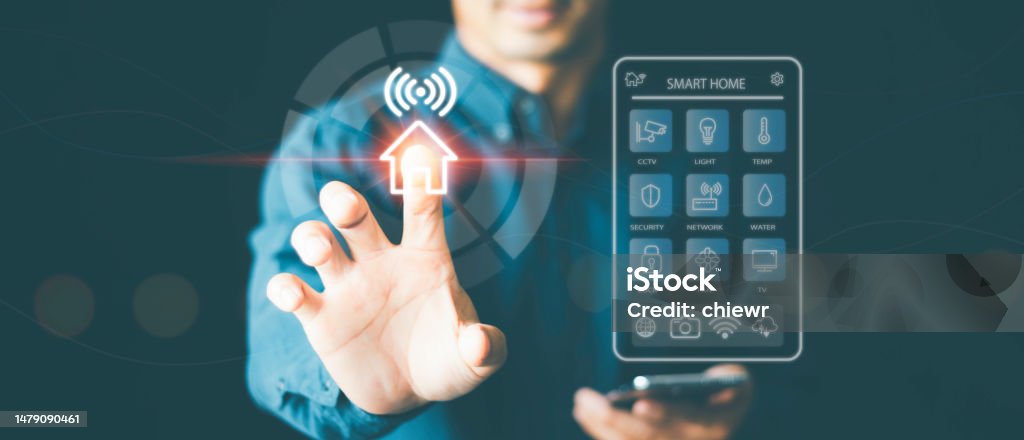
Our Services
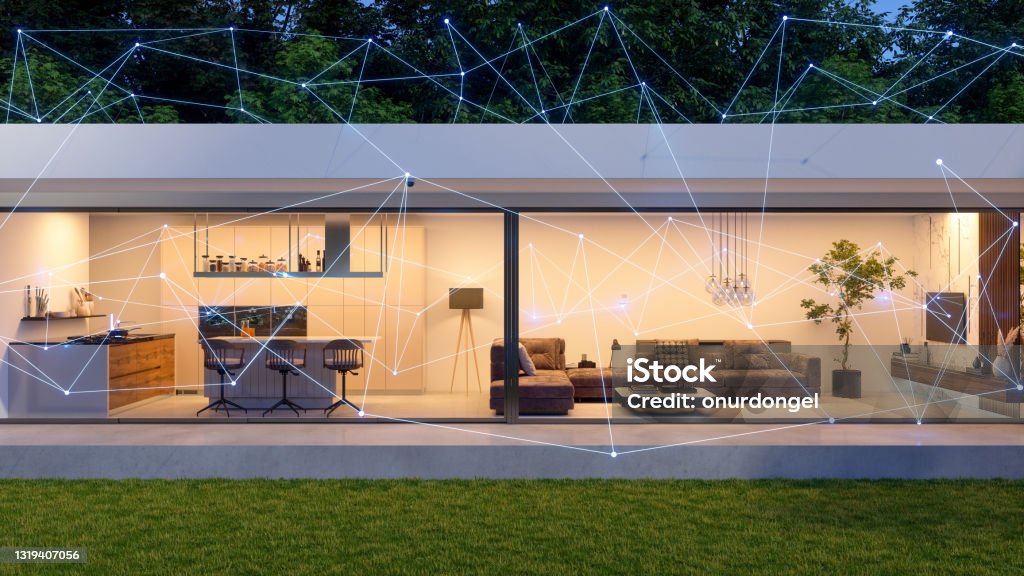
Performance
Automation is now a key lever for improving the performance of electrical installations. It optimises energy management by reducing losses and ensuring consumption is aligned with real-time needs. In high-end residential environments, automation enhances comfort and security by centralising the control of electrical systems. The integration of smart sensors enables precise monitoring and immediate responsiveness to load variations. It also promotes sustainability by extending the lifespan of equipment through efficient, rational use. The flexibility offered by automation allows for seamless technological upgrades and personalised configurations. Ultimately, it increases property value by meeting modern standards of efficiency and innovation.
Security
Automation significantly enhances safety within electrical installations. It enables continuous network monitoring, immediately detecting anomalies or overloads to prevent potential incidents. In high-end residential settings, it ensures optimal protection through the integration of intelligent shutdown systems and remote control technologies.
Residents enjoy greater peace of mind with instant alerts in the event of a fault or intrusion. Automation also improves personal safety by automatically adjusting lighting or managing access control. It helps safeguard property through coordination between electrical, home automation, and security systems. Lastly, it ensures reliable service continuity while complying with the highest safety standards.
Energy Efficiency
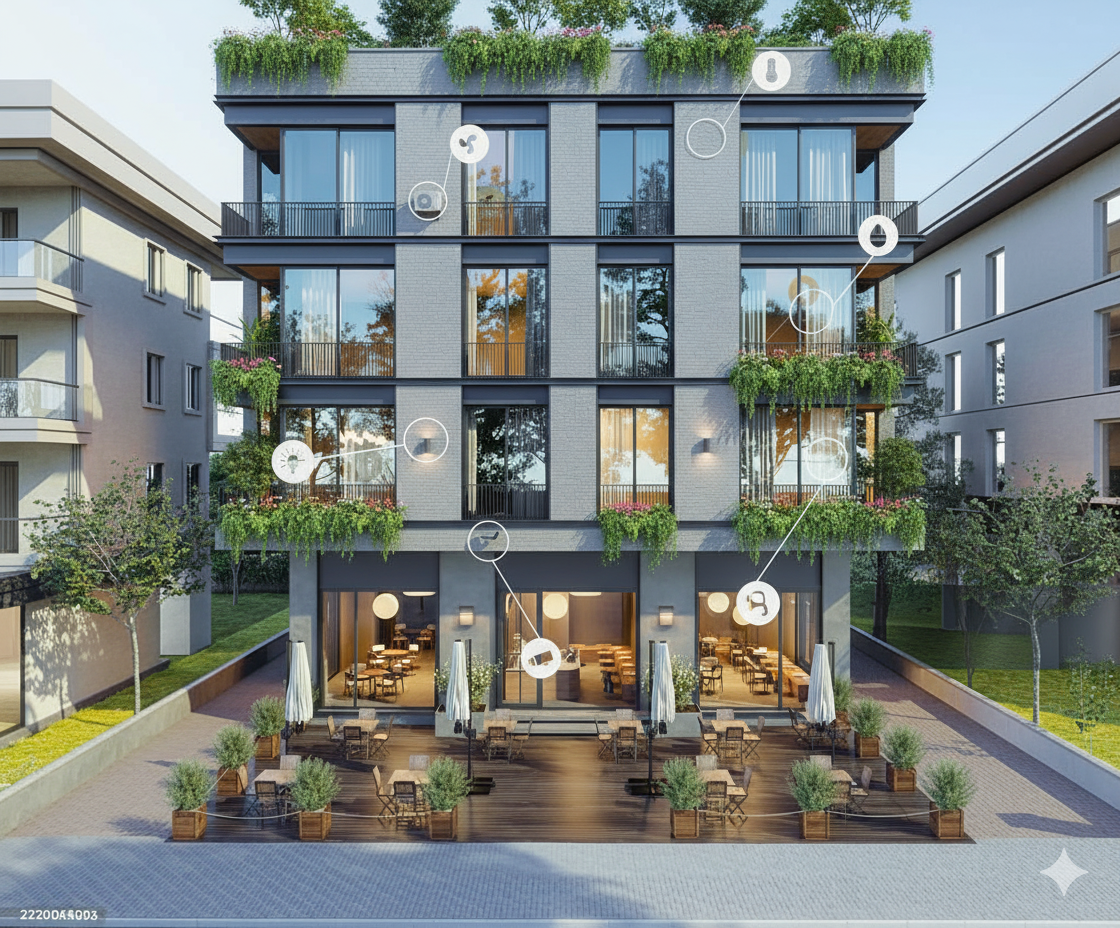
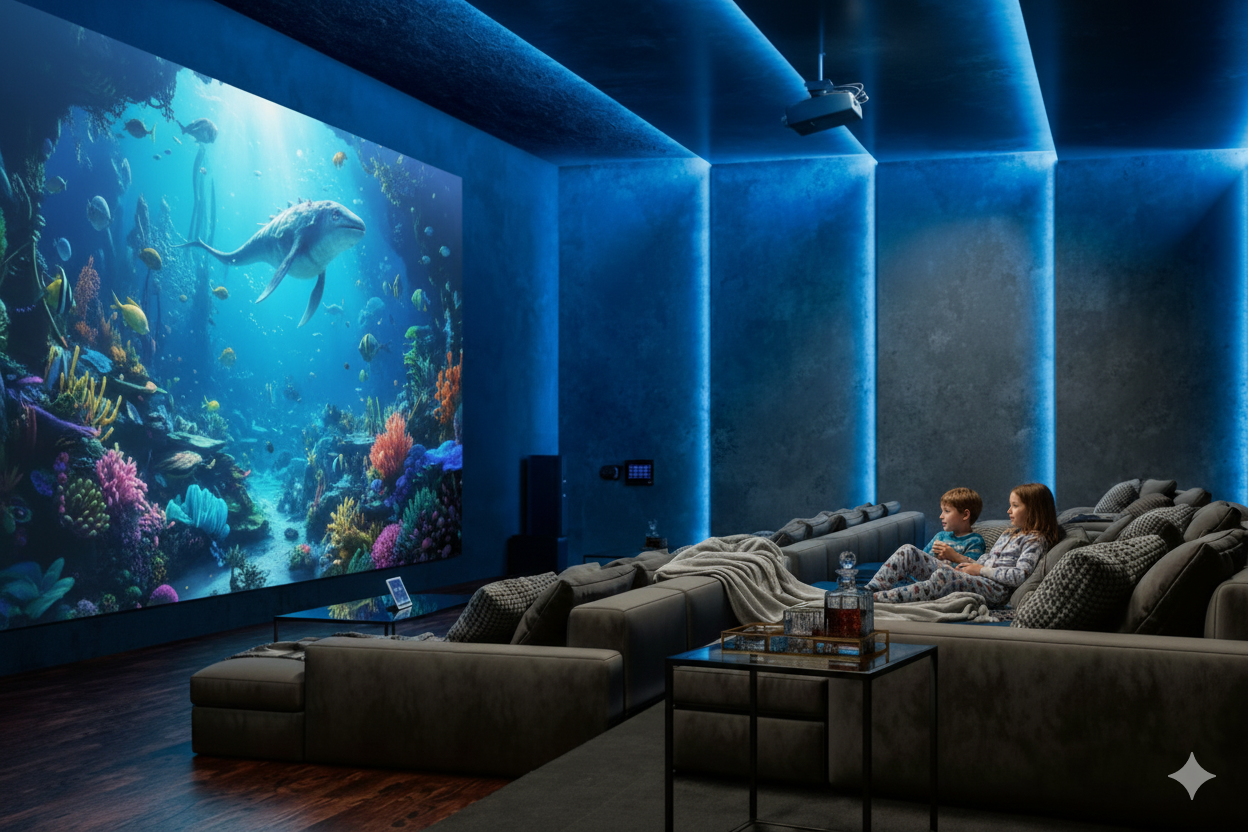
Automation is a significant asset for improving the energy efficiency of electrical installations. It optimises energy distribution and usage in real time, preventing unnecessary waste. In high-end residential settings, it automatically adjusts consumption based on occupants’ habits and external conditions. Intelligent systems help reduce energy bills while enhancing daily comfort. Automation also supports the integration of renewable energy sources by efficiently managing their storage and use. In doing so, it helps reduce a building’s carbon footprint.
Ultimately, it positions the home within a sustainable approach aligned with today’s energy efficiency and environmental responsibility standards.